The culinary world is constantly evolving, with chefs, home cooks, and product developers always on the lookout for tools that can elevate taste without complicating preparation.
One solution gaining traction across kitchens is the use of flavor concentrates—versatile ingredients that offer consistency, intensity, and creative freedom.
Let’s explore how flavor concentrates are shaping modern cooking and what makes them a valuable part of culinary innovation.
What Are Flavor Concentrates?
Flavor concentrates are highly potent extracts of specific tastes—such as fruits, spices, beverages, or desserts—designed to deliver maximum flavor using minimal volume.
Unlike traditional flavorings or syrups, they contain little to no added sugar or water and are often free from fillers or preservatives.
They can be:
- Water-soluble or oil-based, depending on the application
- Derived from natural, nature-identical, or artificial sources
- Used in small quantities to influence large batches of food or drink
How Do They Drive Culinary Innovation?
Flavor concentrates open new creative pathways in food development by offering:
- Precise control over flavor intensity
- Consistency across batches, essential for restaurants and manufacturers
- Flexibility in pairing and experimentation, especially with unusual combinations
- Nutritional efficiency, since most have little to no impact on calories, sugars, or macros
They’re especially useful in modern food trends like low-carb recipes, functional foods, plant-based cooking, and fusion cuisine, where flavor must shine without relying on excess salt, sugar, or fat.
Where Are They Used?
Flavor concentrates are found in a wide range of culinary settings:
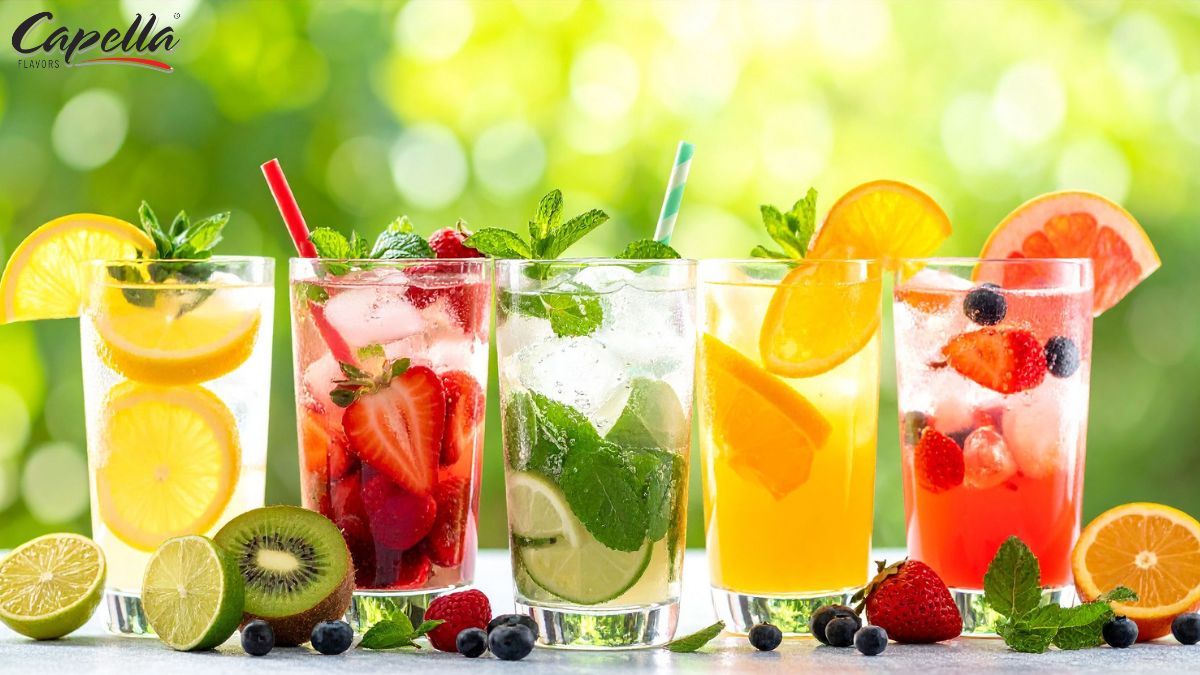
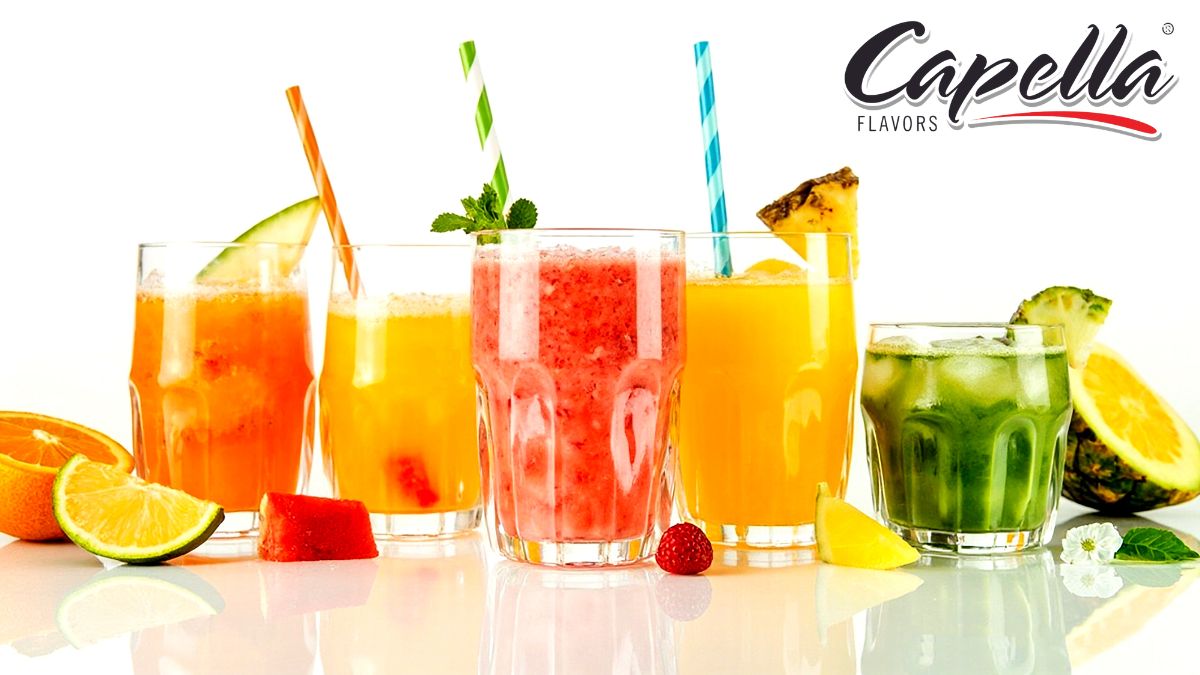
- Beverages: Custom sodas, flavored waters, mocktails, and functional drinks
- Pastry and baking: Muffins, cookies, frostings, protein bars
- Sauces and dressings: Adding subtle fruit, herb, or spice notes
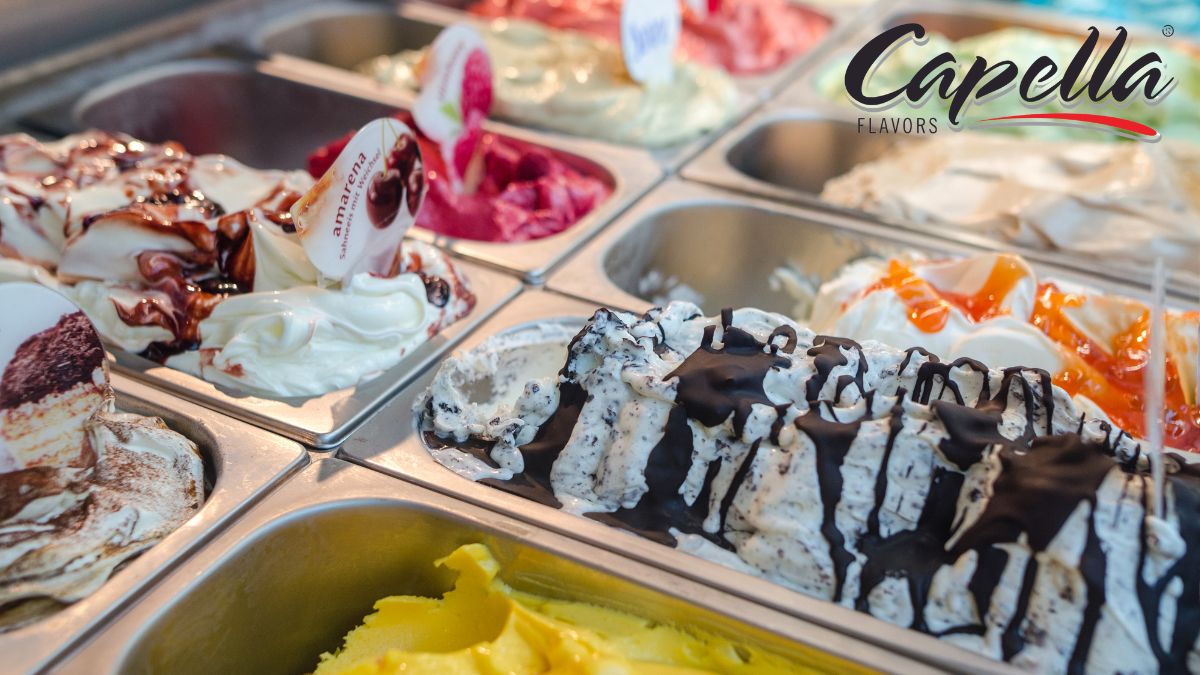
- Frozen treats: Ice creams, popsicles, sorbets with layered flavor profiles
- Savory dishes: Umami boosters, smokey notes, or international flavor fusion
- Meal replacements: Enhancing powdered mixes and prepackaged formulas
Their adaptability allows chefs and developers to prototype new concepts quickly, fine-tune recipes, and create bold yet balanced flavor experiences.
Advantages Over Traditional Ingredients
While whole ingredients like fruit or herbs are still foundational to cooking, concentrates offer some distinct advantages:
- Shelf-stability: Longer lasting and easier to store than fresh produce
- Efficiency: No need to peel, chop, reduce, or steep ingredients
- Scalability: Ideal for both small kitchens and industrial food production
- Portion control: Micro-dosing allows for subtle adjustments or dramatic shifts
They also reduce the risk of spoilage and waste—important in high-volume kitchens and sustainable food systems.
Considerations When Using Flavor Concentrates
To get the most out of flavor concentrates, it’s important to consider:
- Recommended usage rates: Always start small—too much can overpower a dish
- Heat stability: Some flavors degrade when cooked, while others intensify
- Base compatibility: Choose water- or oil-soluble versions depending on the recipe
- Ingredient transparency: Read labels for allergen info and additives
It’s also helpful to experiment with layering: for example, combining a citrus top note with a creamy or spicy base to create complexity.
Where to Find Culinary-Grade Flavor Concentrates
Not all flavor concentrates are created with food safety and culinary performance in mind. Brands that focus on food-grade, water-soluble, unsweetened flavorings offer the best fit for chefs and product developers.
One such example is Capella Flavors, which provides a broad catalog of concentrated flavors—from fruit and dessert profiles to savory and beverage-inspired options.
Their formulations are known for being consistent, clean-label friendly, and easy to work with in a range of culinary formats.
Final Thoughts
Flavor concentrates are more than just shortcuts—they’re tools for innovation. Whether you’re experimenting in a home kitchen or developing new menu items for a commercial brand, these ingredients provide the flexibility, efficiency, and control needed to bring bold ideas to life.
For those looking to explore the possibilities, companies like Capella Flavors offer a wide selection of options designed with culinary creativity in mind.