O setor de bebidas está atualmente testemunhando um aumento expressivo na demanda por sabores artesanais, elaborados e personalizados.
Quer você administre uma cafeteria de grande movimento, um bar de coquetéis sofisticado ou esteja desenvolvendo uma nova linha de bebidas engarrafadas, a qualidade de seus xaropes pode determinar o sucesso ou o fracasso do seu produto final.
Aprender a adicionar sabor a xaropes caseiros é mais do que apenas uma habilidade culinária; é um processo técnico que exige o equilíbrio certo entre doçura, estabilidade e intensidade aromática.
Os métodos tradicionais de aromatização geralmente dependem de frutas inteiras, ervas ou especiarias. Embora possam conferir um apelo “natural”, frequentemente apresentam desafios significativos em ambientes profissionais, como perfis de sabor inconsistentes, turbidez e prazo de validade muito curto.
É aqui que os concentrados de sabor de alta qualidade, como os oferecidos pela Capella Flavors, se tornam a ferramenta essencial para a inovação.
A Ciência da Base de Xarope
Antes de dominar a arte de adicionar sabor a xaropes caseiros , você precisa garantir que sua base seja tecnicamente perfeita. Um xarope simples é uma solução de açúcar dissolvido em água. A concentração de açúcar determina o nível “Brix” do xarope, que afeta seu dulçor, viscosidade e propriedades conservantes.
- Xarope padrão (1:1): Uma parte de açúcar para uma parte de água. Esta é a base mais versátil para bebidas frias e refrigerantes, pois se integra rapidamente aos líquidos.
- Calda rica (2:1): Duas partes de açúcar para uma parte de água. Esta calda é mais espessa e tem uma vida útil muito maior devido à menor atividade da água. É a base preferida para xaropes de café e coquetéis sofisticados, onde se deseja adicionar sabor sem diluir significativamente a bebida.
Para preparar a base, aqueça a água e o açúcar até que a solução fique completamente transparente. É crucial deixar a calda esfriar até a temperatura ambiente antes de adicionar os concentrados de sabor. Adicionar sabores a um líquido em ebulição pode fazer com que as “notas de topo voláteis” — as partes mais delicadas e aromáticas do sabor — evaporem, resultando em um gosto insosso e desagradável.
Por que os concentrados superam as infusões tradicionais?
Quando as empresas pensam em como adicionar sabor a xaropes caseiros , muitas vezes comparam concentrados a infusões naturais. Para um ambiente profissional ou comercial, os concentrados oferecem diversas vantagens inegáveis:
- Potência e Precisão: As gotas de sabor da Capella são altamente concentradas. Isso significa que você pode obter um perfil de sabor robusto com um volume muito pequeno de líquido. Isso evita que você dilua a consistência do seu xarope ou adicione calorias e açúcares indesejados.
- Clareza e Apelo Visual: Muitos consumidores julgam uma bebida pela sua aparência. Infusões naturais frequentemente deixam xaropes turvos ou com partículas visíveis. O uso de concentrados solúveis em água garante que seus xaropes permaneçam cristalinos, o que é vital para produtos engarrafados premium e para um serviço de bar sofisticado.
- Estabilidade e segurança: as infusões de frutas frescas são propensas à fermentação e ao mofo. Os concentrados de sabor são estáveis e não introduzem sólidos orgânicos que possam deteriorar a calda, garantindo uma vida útil mais longa e segura para o seu estoque.
A Arte de Combinar e Personalizar Sabores
O verdadeiro poder de saber como adicionar sabor a xaropes caseiros reside na personalização. Você não está limitado a sabores simples como “morango” ou “baunilha”. Com concentrados profissionais, você pode atuar como um arquiteto de sabores, criando misturas exclusivas que diferenciam sua marca.
Elaboração de perfis complexos
Ao navegar pelo catálogo da Capella , você pode encontrar centenas de componentes básicos. Por exemplo:
- Latte Gourmet: Em vez de um xarope de baunilha simples, experimente um “Baunilha e Macadâmia Tostadas”, combinando gelato de baunilha e concentrados de amêndoas torradas .
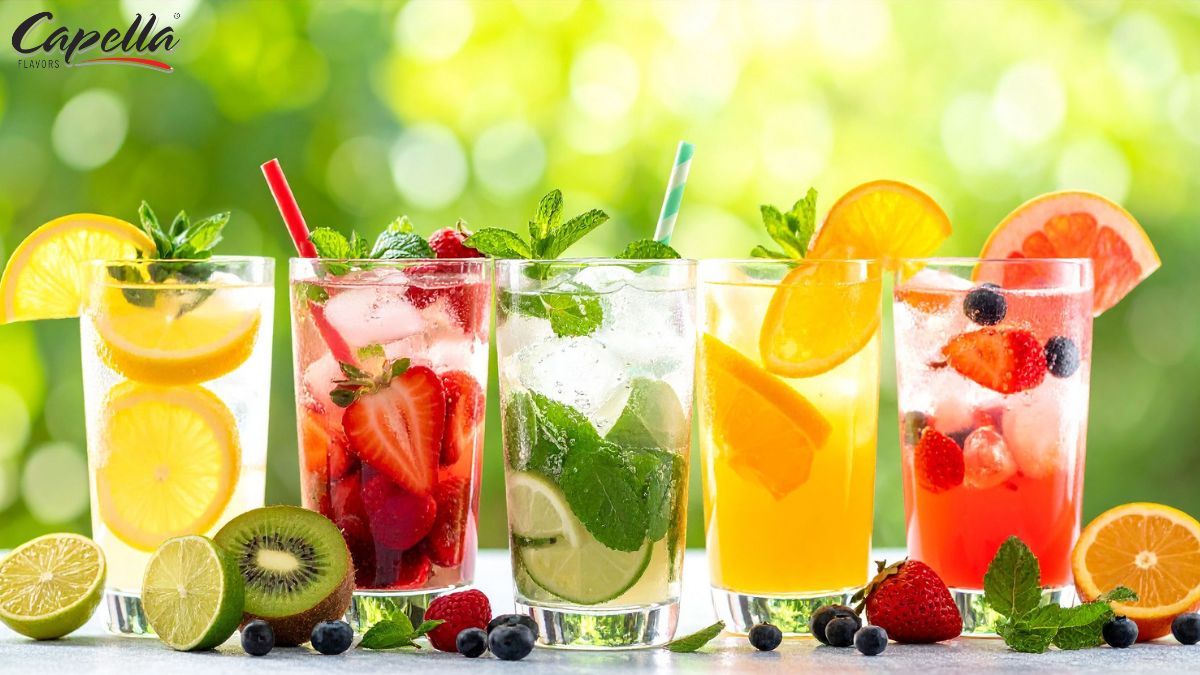
- Refrigerante artesanal: Crie um xarope de “Mirtilo e Hortelã” usando geleia de mirtilo e hortelã refrescante para uma bebida sofisticada e refrescante que agrada aos paladares adultos.
- Especial da Temporada: Para as festas de fim de ano, um xarope de “Biscoito de Gengibre com Especiarias” pode ser obtido combinando notas de biscoito de gengibre com um toque de caramelo para maior profundidade de sabor.
Inovações sem açúcar
Existe um mercado enorme para bebidas “mais saudáveis”. Uma das maneiras mais eficazes de usar esses concentrados é em xaropes sem açúcar. Substituindo o açúcar por um adoçante como estévia ou alulose e adicionando os sabores da Capella, você pode criar um xarope com zero calorias que mantém a mesma sensação na boca e satisfação de um xarope tradicional. Isso é revolucionário para marcas focadas em fitness e cafeterias preocupadas com a saúde.
Aplicação técnica e dosagem
Quando estiver pronto para adicionar o sabor, comece com uma abordagem gradual. Para um lote de 1 litro de xarope resfriado, recomendamos começar com uma dosagem de 0,5% a 1,5% de concentrado.
- Para a mistura base: Mexa sempre bem para garantir que as moléculas solúveis em água estejam distribuídas uniformemente por toda a solução de açúcar.
- Teste sensorial: Experimente a calda pura e diluída em sua aplicação final (por exemplo, misturada com água com gás ou café expresso). Um sabor que parece sutil na calda pode se tornar muito mais pronunciado depois de diluído.
- Escalabilidade: Depois de encontrar a proporção perfeita, a vantagem de usar concentrados é que o resultado será idêntico sempre, seja para um litro ou cem litros.
Aprimore seu programa de bebidas
Dominar a arte de adicionar sabor a xaropes caseiros lhe dá controle total sobre o destino do seu produto. Você não estará mais dependente das opções limitadas de xaropes industrializados, frequentemente repletos de conservantes artificiais e excesso de açúcar. Em vez disso, você poderá oferecer aos seus clientes uma experiência sensorial única, de alta qualidade e consistente.
[Veja nosso catálogo completo]
Explore nossa linha profissional de concentrados de sabor solúveis em água e comece a criar seus xaropes exclusivos hoje mesmo.
Como adicionar sabor a xaropes caseiros: um guia profissional
O setor de bebidas está presenciando um aumento expressivo na demanda por sabores artesanais, elaborados e personalizados. Seja você proprietário de uma cafeteria movimentada, um bar de coquetéis sofisticado ou esteja desenvolvendo uma nova linha de bebidas engarrafadas, a qualidade dos seus xaropes pode determinar o sucesso ou o fracasso do seu produto final. Aprender a adicionar sabor a xaropes caseiros é mais do que uma simples habilidade culinária; é um processo técnico que exige o equilíbrio perfeito entre doçura, estabilidade e intensidade aromática.
Os métodos tradicionais de aromatização geralmente dependem de frutas, ervas ou especiarias inteiras. Embora possam conferir um apelo “natural”, frequentemente apresentam desafios significativos em ambientes profissionais, como perfis de sabor inconsistentes, turbidez e prazo de validade muito curto. É aí que os concentrados de sabor de alta qualidade, como os oferecidos pela Capella Flavors, se tornam a ferramenta essencial para a inovação.
A Ciência da Base de Xarope
Antes de dominar a arte de adicionar sabor a xaropes caseiros , você precisa garantir que sua base seja tecnicamente perfeita. Um xarope simples é uma solução de açúcar dissolvido em água. A concentração de açúcar determina o nível “Brix” do xarope, que afeta seu dulçor, viscosidade e propriedades conservantes.
- Xarope padrão (1:1): Uma parte de açúcar para uma parte de água. Esta é a base mais versátil para bebidas frias e refrigerantes, pois se integra rapidamente aos líquidos.
- Calda rica (2:1): Duas partes de açúcar para uma parte de água. Esta calda é mais espessa e tem uma vida útil muito maior devido à menor atividade da água. É a base preferida para xaropes de café e coquetéis sofisticados, onde se deseja adicionar sabor sem diluir significativamente a bebida.
Para preparar a base, aqueça a água e o açúcar até que a solução fique completamente transparente. É crucial deixar a calda esfriar até a temperatura ambiente antes de adicionar os concentrados de sabor. Adicionar sabores a um líquido em ebulição pode fazer com que as “notas de topo voláteis” — as partes mais delicadas e aromáticas do sabor — evaporem, resultando em um gosto insosso e desagradável.
Por que os concentrados superam as infusões tradicionais?
Quando as empresas pensam em como adicionar sabor a xaropes caseiros , muitas vezes comparam concentrados a infusões naturais. Para um ambiente profissional ou comercial, os concentrados oferecem diversas vantagens inegáveis:
- Potência e Precisão: As gotas de sabor da Capella são altamente concentradas. Isso significa que você pode obter um perfil de sabor robusto com um volume muito pequeno de líquido. Isso evita que você dilua a consistência do seu xarope ou adicione calorias e açúcares indesejados.
- Clareza e Apelo Visual: Muitos consumidores julgam uma bebida pela sua aparência. Infusões naturais frequentemente deixam xaropes turvos ou com partículas visíveis. O uso de concentrados solúveis em água garante que seus xaropes permaneçam cristalinos, o que é vital para produtos engarrafados premium e para um serviço de bar sofisticado.
- Estabilidade e segurança: as infusões de frutas frescas são propensas à fermentação e ao mofo. Os concentrados de sabor são estáveis e não introduzem sólidos orgânicos que possam deteriorar a calda, garantindo uma vida útil mais longa e segura para o seu estoque.
A Arte de Combinar e Personalizar Sabores
The true power of knowing how to add flavor to homemade syrups lies in customization. You are not limited to single-note flavors like “strawberry” or “vanilla.” With professional concentrates, you can act as a flavor architect, creating signature blends that set your brand apart.
Crafting Complex Profiles
By browsing the Capella catalog, you can find hundreds of building blocks. For example:
- The Gourmet Latte: Instead of a plain vanilla syrup, try a “Toasted Vanilla Macadamia” by combining Vanilla Bean Gelato and Toasted Almond concentrates.
- The Craft Soda: Create a “Blueberry Mint” syrup using Blueberry Jam and Cool Mint for a refreshing, sophisticated beverage that appeals to adult palates.
- The Seasonal Special: For the holidays, a “Spiced Gingerbread” syrup can be achieved by layering Gingerbread notes with a hint of Caramel for added depth.
Sugar-Free Innovations
There is a massive market for “Better-for-You” beverages. One of the most effective ways to use these concentrates is in sugar-free syrups. By replacing sugar with a sweetener like Stevia or Allulose and adding Capella flavors, you can create a 0-calorie syrup that maintains the same mouthfeel and satisfaction as a traditional one. This is a game-changer for fitness-focused brands and health-conscious cafes.
Technical Application and Dosage
When you are ready to add the flavor, start with a measured approach. For a 1-liter batch of cooled syrup, we recommend starting with a dosage of 0.5% to 1.5% of concentrate.
- The Master Batch: Always stir thoroughly to ensure the water-soluble molecules are evenly distributed throughout the sugar solution.
- Sensory Testing: Taste the syrup both on its own and diluted in its final application (e.g., mixed with carbonated water or espresso). A flavor that seems subtle in the syrup may become much more prominent once diluted.
- Scaling: Once you find the perfect ratio, the beauty of using concentrates is that the result will be identical every time you make it, whether you are making one liter or one hundred.
Elevate Your Beverage Program
Mastering how to add flavor to homemade syrups gives you complete control over your product’s destiny. You are no longer reliant on the limited options of pre-made, industrial syrups that are often filled with artificial preservatives and excess sugar. Instead, you can offer your customers a unique, high-quality, and consistent sensory experience.
See Our Full Catalog
Explore our professional range of water-soluble flavor concentrates and start crafting your signature syrups today.
Contate-nos
Precisa de ajuda para determinar as melhores combinações de sabores ou concentrações industriais para o seu negócio? Nossa equipe está pronta para ajudá-lo a inovar.