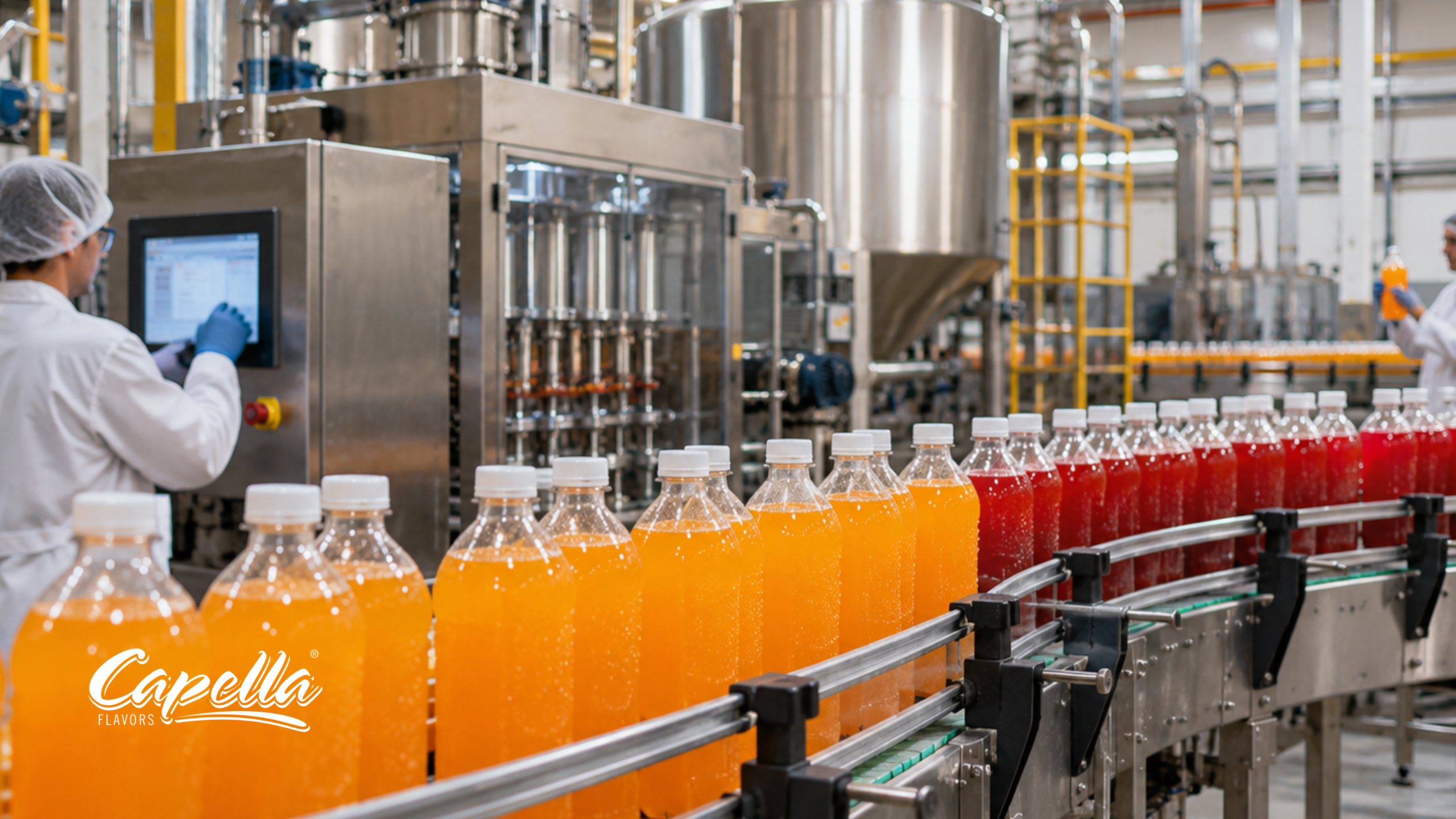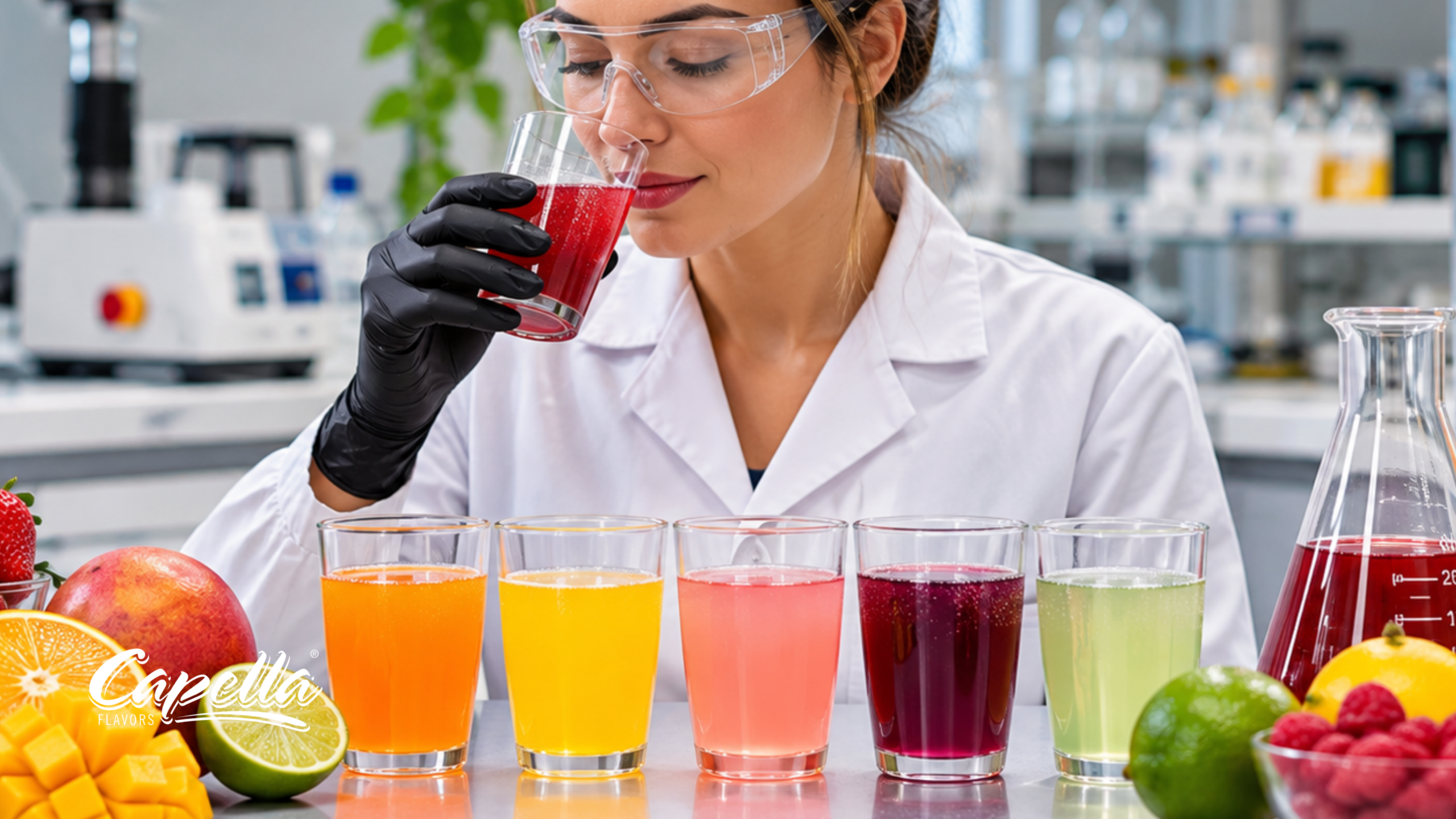
Choosing the best flavor concentrates for beverage manufacturers is an important step in developing drinks that deliver distinctive taste, consistent quality, and memorable consumer experiences. From refreshing fruit beverages to creamy specialty drinks, flavor selection plays a significant role in product development.
As the beverage industry continues to evolve, manufacturers are exploring new flavor combinations to create products that appeal to different consumer preferences.
Whether developing flavored waters, soft drinks, beverage syrups, or specialty formulations, selecting the right flavor concentrate requires an understanding of flavor profiles, ingredient compatibility, and processing conditions.
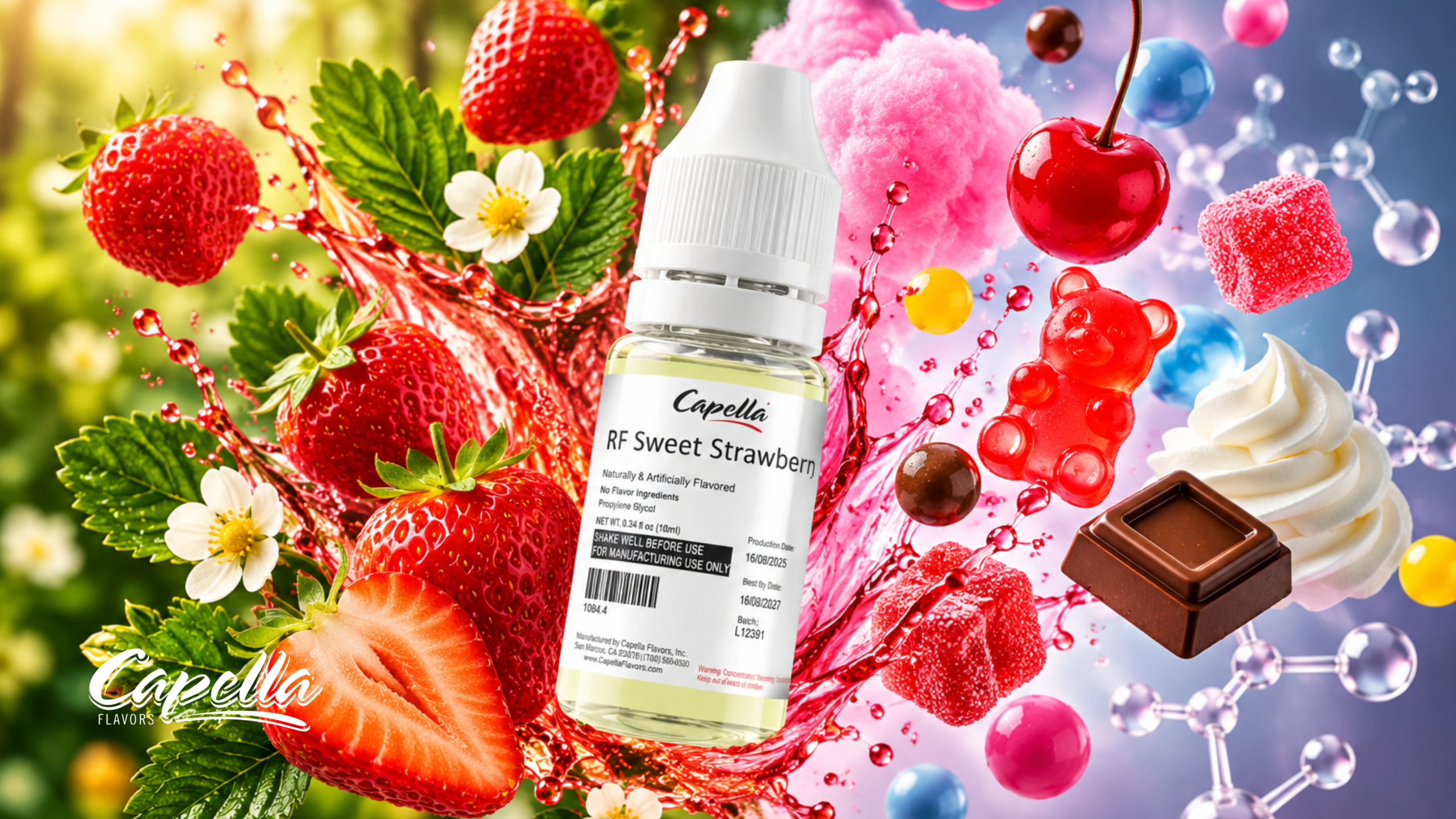
With more than 250 flavor options, Capella Flavors offers a diverse collection that can inspire beverage innovation and help manufacturers explore new possibilities.
In this article, we’ll explore popular flavor categories for beverage development, the factors that influence flavor performance, and how manufacturers can choose concentrates for their next formulation.
What Are Flavor Concentrates for Beverage Manufacturing?
Flavor concentrates are specialized flavoring ingredients designed to introduce or enhance specific taste and aroma characteristics in food and beverage formulations.
Unlike ingredients primarily used to provide sweetness or texture, flavor concentrates are selected for their sensory properties.
They may offer familiar profiles, such as strawberry, lemon, vanilla, or caramel, as well as more complex combinations inspired by fruits, desserts, and specialty beverages.
Because these ingredients are concentrated, they are typically used in relatively small amounts.
However, the appropriate concentration depends on the specific flavor, beverage formulation, and desired sensory experience.
Manufacturers must also evaluate how a concentrate performs when combined with other ingredients.
For example, a flavor that performs well in a water-based beverage may behave differently in a dairy-based formulation.
This makes application testing an essential part of beverage development.
Best Flavor Concentrates for Beverage Manufacturers: Popular Flavor Categories
The best flavor concentrate depends on the type of beverage being developed, the target audience, and the desired flavor profile.
Different categories offer opportunities for manufacturers to create refreshing, sweet, creamy, or complex beverage experiences.
1. Fruit Flavor Concentrates
Fruit-inspired flavors are widely explored in beverage development because of their versatility.
Popular profiles include:
- Strawberry
- Raspberry
- Blueberry
- Mango
- Peach
- Pineapple
- Watermelon
- Citrus-inspired flavors
These profiles can be evaluated in suitable applications such as flavored waters, soft drinks, beverage syrups, and specialty beverages.
Fruit flavors also provide opportunities for creative combinations.
For example, mango and pineapple can inspire a tropical beverage concept, while strawberry and citrus profiles may contribute to a refreshing fruit blend.
The final sensory result depends on the formulation, sweetness, acidity, and processing conditions.
2. Citrus Flavor Concentrates
Citrus-inspired flavors are commonly associated with refreshing beverage profiles.
Lemon, lime, orange, and grapefruit-inspired options can help manufacturers explore bright and vibrant flavor directions.
These profiles may be particularly relevant for:
- Flavored waters;
- Carbonated beverages;
- Beverage mixes;
- Fruit-inspired drinks;
- Seasonal beverage concepts.
Citrus flavors can also complement other fruit profiles.
For example, combining citrus-inspired flavors with berry or tropical profiles may help create a more complex sensory experience.
However, acidity and ingredient compatibility should be considered during formulation.
3. Tropical Flavor Concentrates
Tropical flavors offer opportunities to create distinctive beverage concepts inspired by fruits associated with warm climates.
Mango, pineapple, coconut-inspired, and passion fruit profiles are examples of flavor directions manufacturers may explore.
These flavors can inspire refreshing beverages and more complex fruit combinations.
A tropical beverage concept might combine mango and pineapple profiles, while a creamy specialty drink could explore coconut-inspired flavors alongside other compatible ingredients.
Manufacturers should evaluate the balance between sweetness, acidity, and flavor intensity to achieve the desired result.
4. Dessert-Inspired Flavor Concentrates
Not every beverage needs a fruit-forward profile.
Dessert-inspired flavor concentrates can help manufacturers explore richer and more indulgent beverage concepts.
Popular flavor directions include:
- Vanilla;
- Caramel;
- Custard-inspired profiles;
- Chocolate-inspired flavors;
- Cake-inspired combinations;
- Creamy dessert profiles.
These flavors may be suitable for certain specialty beverages, milk-based drinks, beverage syrups, and dessert-inspired formulations.
For example, vanilla and caramel can inspire a rich beverage profile, while chocolate-inspired flavors may complement compatible dairy-based formulations.
The suitability of each concentrate depends on its composition and the intended beverage application.
How to Choose the Best Flavor Concentrates for Your Beverage
Selecting the right flavor concentrate involves more than choosing a flavor that sounds appealing.
Manufacturers must evaluate how the ingredient performs within the complete beverage formulation.
Several factors should be considered.
Beverage Application
The intended beverage category is one of the first considerations.
A concentrate developed for a particular application may not perform the same way in every beverage system.
For example, flavored water, carbonated drinks, and dairy-based beverages have different formulation requirements.
Manufacturers should confirm that the selected flavor is appropriate for the intended application.
Solubility and Ingredient Compatibility
Solubility is particularly important in beverage manufacturing.
Some flavoring preparations may not disperse uniformly in certain beverage systems.
Depending on the formulation, manufacturers may need to evaluate clarity, dispersion, and interactions with other ingredients.
Testing helps identify whether a concentrate performs as expected in the finished beverage.
Flavor Stability
Flavor stability can be influenced by processing, packaging, storage, and environmental conditions.
Temperature, acidity, oxygen exposure, and light may affect certain flavor components.
Manufacturers should evaluate flavor performance throughout the intended shelf life of the product.
Desired Flavor Intensity
Flavor intensity is another important consideration.
The appropriate usage level depends on the concentrate, the beverage formulation, and the desired sensory profile.
Using excessive amounts may create an unbalanced flavor experience.
Manufacturers should follow product-specific guidance and conduct controlled formulation testing.
Flavor Concentrates for Different Beverage Applications
Different beverage categories present different opportunities and technical challenges.
Understanding these differences can help manufacturers select appropriate flavor profiles.
Flavored Waters
Flavored waters often feature light and refreshing sensory profiles.
Fruit and citrus-inspired concentrates may be evaluated for compatible formulations.
However, manufacturers must consider flavor intensity, clarity, and ingredient compatibility.
A subtle flavor profile may be desirable, depending on the product concept.
Soft Drinks and Carbonated Beverages
Carbonated beverages offer opportunities for fruit-inspired and other refreshing flavor combinations.
Carbonation, acidity, and sweetness can influence how a flavor is perceived.
Manufacturers should evaluate flavor performance within the complete carbonated beverage formulation.
Dairy-Based Beverages
Dairy-based drinks can provide opportunities for creamy and dessert-inspired flavor profiles.
Vanilla, caramel, and chocolate-inspired flavors may complement certain formulations.
However, proteins, fats, and processing conditions can affect sensory performance.
Testing is essential to determine the appropriate concentrate and usage level.
Beverage Syrups and Mixes
Beverage syrups and mixes may require concentrated flavor profiles that perform consistently when prepared or diluted according to the intended use.
Manufacturers should evaluate flavor balance, compatibility, and stability.
The final sensory experience should be assessed under realistic preparation conditions.
Why Flavor Consistency Matters in Beverage Manufacturing
Consistency is an important objective in commercial beverage production.
Consumers generally expect a familiar beverage to deliver a recognizable taste experience across different purchases.
Flavor concentrates can help manufacturers work toward consistent sensory profiles when incorporated into controlled production processes.
However, consistency depends on more than the flavoring ingredient.
Accurate dosing, ingredient quality, manufacturing controls, and storage conditions all contribute to the finished product.
For manufacturers developing beverages at scale, evaluating flavor performance across production batches can help identify potential formulation challenges.
This process supports more reliable product development and quality control.
How Flavor Concentrates Support Beverage Innovation
Flavor innovation is an important part of beverage product development.
Manufacturers may explore new combinations to expand their product portfolios, develop seasonal offerings, or create distinctive sensory experiences.
For example, a company developing a new fruit beverage could experiment with combinations of tropical and citrus-inspired flavors.
A specialty beverage manufacturer might explore dessert-inspired profiles to create a richer product concept.
Flavor concentrates provide opportunities to evaluate different sensory directions during research and development.
However, successful innovation requires testing the complete formulation.
Manufacturers should consider the intended consumer experience, processing requirements, ingredient compatibility, and applicable regulations.
What Should Beverage Manufacturers Look for in a Flavor Supplier?
Choosing a flavor supplier is an important part of the product development process.
Manufacturers should consider several factors when evaluating potential suppliers.
Flavor variety: A diverse collection can provide opportunities to explore different profiles and combinations.
Application suitability: Manufacturers should confirm that the selected concentrates are appropriate for their intended beverages.
Product information: Relevant specifications and technical guidance can help support formulation decisions.
Regulatory considerations: Ingredients must comply with applicable requirements in the markets where finished beverages will be sold.
Consistency: Manufacturers should evaluate product performance and quality expectations.
Availability: Product availability and supply requirements can influence manufacturing planning.
Evaluating these factors can help businesses identify flavoring ingredients that align with their product development objectives.
Explore Beverage Flavor Possibilities with Capella Flavors
Capella Flavors offers an extensive collection of flavor concentrates that can inspire beverage development.
With more than 250 flavor options, manufacturers can explore a wide range of profiles, including fruit-inspired, citrus, tropical, and dessert-inspired flavors.
Whether developing a refreshing drink, experimenting with a specialty beverage, or exploring new flavor combinations, selecting the right concentrate begins with understanding the intended application.
Capella’s flavor collection provides opportunities to discover familiar favorites and explore new sensory directions.
Before incorporating any concentrate into commercial beverage production, manufacturers should review the relevant product information and confirm suitability for their intended formulations.
Conclusion
Choosing the best flavor concentrates for beverage manufacturers requires careful consideration of flavor profiles, formulation compatibility, processing conditions, and desired sensory performance.
Fruit, citrus, tropical, and dessert-inspired concentrates offer different opportunities for beverage innovation.
However, the ideal flavor depends on the specific product concept and technical requirements.
By evaluating concentrates within complete beverage formulations, manufacturers can make more informed ingredient decisions and develop products that align with their desired sensory experience.
With a diverse selection of flavor options, Capella Flavors provides opportunities to explore new combinations and discover possibilities for beverage product development.
Discover Flavor Solutions with Capella Flavors
Looking for flavor inspiration for your next beverage formulation?
Capella Flavors offers a wide variety of flavor concentrates to help you explore different flavor profiles and discover new possibilities.
Contact Capella Flavors to learn more about flavor solutions for your next beverage creation.