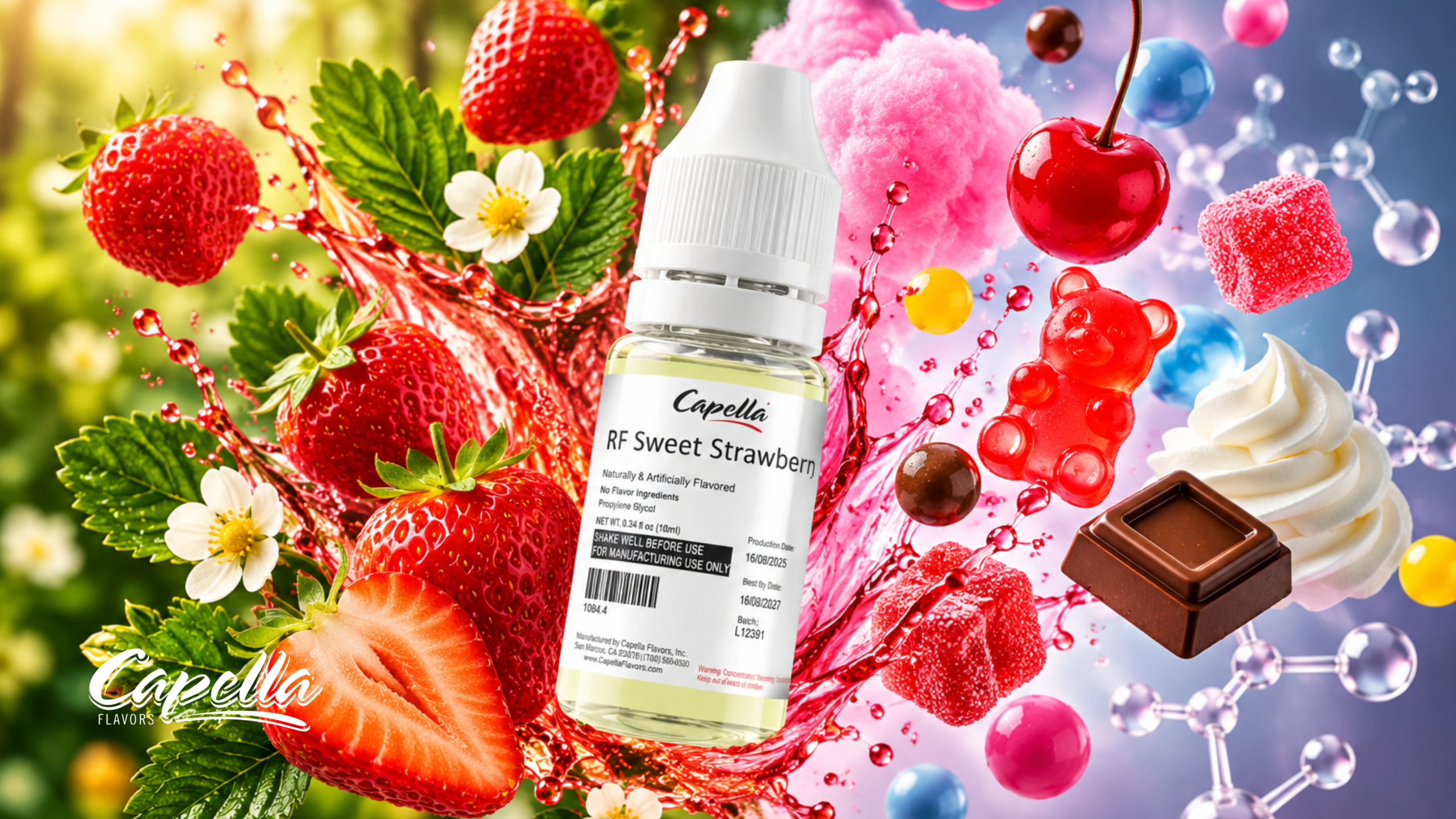
Natural and artificial flavors play an important role in the food and beverage industry, helping manufacturers develop products with distinctive sensory characteristics. From beverages and bakery products to confectionery, dairy applications, and frozen desserts, flavor selection can influence consumer perception, product positioning, and formulation decisions.
However, understanding the differences between natural and artificial flavors involves more than identifying where a flavor comes from. Ingredient sourcing, manufacturing processes, labeling requirements, regulatory definitions, and application performance can all influence how flavors are selected for commercial food products.
For food manufacturers and product developers, knowing how these flavor categories differ is essential when developing formulations that meet technical requirements, consumer expectations, and product positioning objectives.
What Are Natural and Artificial Flavors?
Natural and artificial flavors are flavoring ingredients used to provide or modify the taste and aroma of food and beverage products.
In the United States, the Food and Drug Administration (FDA) establishes definitions for natural and artificial flavors under 21 CFR 101.22.
The distinction is primarily related to the origin of the flavoring substances and the applicable regulatory definitions.
Natural flavors are derived from specified natural sources, while artificial flavors include flavoring substances that do not meet the regulatory definition of natural flavor.
Both categories can be used in food and beverage development, provided the ingredients and their intended uses comply with applicable regulations.
Understanding these classifications helps manufacturers make informed decisions about formulation and labeling.
What Are Natural Flavors?
Natural flavors are flavoring ingredients obtained from sources recognized under the applicable regulatory definition.
Under FDA regulations, natural flavors may be derived from sources such as:
- Fruits and fruit juices
- Vegetables and vegetable juices
- Herbs and spices
- Edible yeast
- Roots, leaves, and other plant materials
- Meat, seafood, poultry, eggs, and dairy products
- Fermentation products from recognized food sources
These flavoring components may be obtained through processes such as extraction, distillation, enzymolysis, or other processes permitted by the applicable definition.
For example, a natural citrus flavor may be developed using flavoring components derived from citrus sources.
However, the term natural flavor does not necessarily mean that the flavor comes directly from the food named on the front of the package.
The source, composition, processing method, and intended use must be considered when determining whether a particular flavor qualifies as natural under the relevant regulations.
Natural Flavors in Food Manufacturing
Natural flavors can be explored in a variety of applications, including beverages, dairy products, bakery items, confectionery, and frozen desserts.
They may be particularly relevant for manufacturers developing products with ingredient-positioning strategies that emphasize natural flavor declarations.
However, selecting a natural flavor does not automatically guarantee that it will perform identically across different formulations.
Manufacturers should evaluate how the flavor interacts with the product base, processing conditions, and other ingredients.
What Are Artificial Flavors?
Artificial flavors are flavoring substances that do not meet the FDA’s definition of natural flavor.
These ingredients can be developed through controlled manufacturing processes to provide specific flavor characteristics.
An artificial flavor may contain substances designed to deliver familiar sensory profiles, such as fruit, vanilla, caramel, or other flavor directions.
Importantly, the distinction between natural and artificial flavors is not simply a matter of whether a flavoring molecule exists in nature.
A chemically identical flavoring substance may be classified differently depending on how it was obtained and whether it satisfies the applicable regulatory definition.
For manufacturers, this means flavor classification must be based on ingredient documentation and regulatory requirements rather than assumptions about the finished taste.
Artificial Flavors in Food Product Development
Artificial flavors can provide manufacturers with additional options when developing specific sensory profiles.
Depending on the ingredient and application, they may offer advantages related to sourcing, formulation flexibility, cost considerations, or flavor consistency.
However, these characteristics are not universal.
Performance depends on the particular flavor system, formulation, processing conditions, and intended application.
For this reason, artificial flavors should be evaluated using the same technical development process applied to other flavoring ingredients.
Natural and Artificial Flavors: What Is the Difference?
The primary distinction between natural and artificial flavors is their classification under applicable regulatory definitions.
Natural flavors must originate from qualifying sources and meet the requirements established for that category.
Artificial flavors include flavoring substances that do not qualify under the natural flavor definition.
However, several additional considerations are important for food manufacturers.
Ingredient Origin
Natural flavors are associated with qualifying source materials and permitted production processes.
Artificial flavors may involve flavoring substances produced through other manufacturing methods.
The classification depends on regulatory criteria, not simply on whether the flavor tastes similar to a naturally occurring food.
Flavor Performance
Both natural and artificial flavor systems can be developed for a variety of food applications.
Their performance depends on factors such as concentration, ingredient interactions, temperature, acidity, processing conditions, and product storage.
Neither category automatically guarantees better performance in every application.
Cost and Sourcing
Ingredient sourcing and manufacturing methods can influence the cost of flavor systems.
Natural flavor ingredients may involve agricultural sourcing and raw material variability, while artificial flavor ingredients may offer different sourcing or production possibilities.
However, cost differences depend on the specific flavor formulation and supply conditions.
Product Positioning
Flavor classification can influence how manufacturers position their products.
Some product concepts prioritize natural flavor declarations, while others focus on achieving a particular sensory experience within specific formulation and cost requirements.
The appropriate approach depends on the intended market, product category, and applicable labeling rules.
Are Natural Flavors Better Than Artificial Flavors?
One of the most common misconceptions is that natural flavors are automatically better than artificial flavors.
From a regulatory and formulation perspective, the distinction is more complex.
The terms natural and artificial describe categories of flavoring ingredients. They do not independently establish the nutritional quality, safety, or overall performance of a finished food product.
Safety depends on the specific substances, their intended uses, exposure levels, and applicable regulatory requirements.
Similarly, the quality of the final sensory experience depends on the complete formulation rather than the flavor classification alone.
For manufacturers, the most useful question is not necessarily which category is universally better.
Instead, it is which flavor system is appropriate for the product’s technical requirements, intended labeling, sensory objectives, and market positioning.
How Natural and Artificial Flavors Are Used Across the Food Industry
Both flavor categories can be considered across a wide variety of food and beverage applications.
However, the appropriate selection depends on the formulation and the intended finished product.
Beverage Formulation
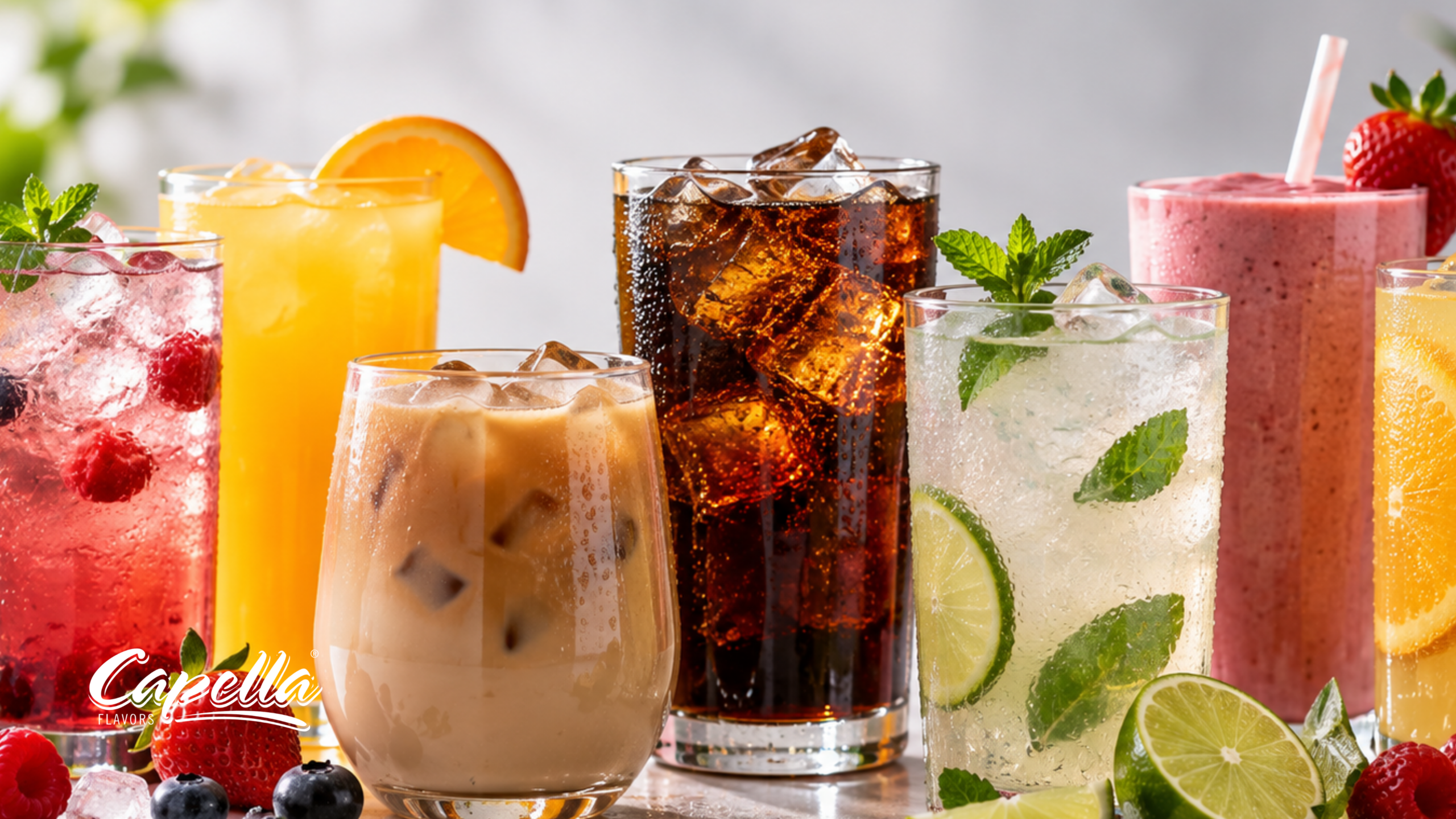
Beverages offer opportunities to develop fruit, citrus, tropical, creamy, and dessert-inspired flavor profiles.
Natural and artificial flavor systems may be explored in applications such as:
- Flavored waters
- Carbonated beverages
- Lemonades
- Teas
- Functional beverages
- Dairy-based beverages
- Plant-based drinks
Manufacturers should consider factors such as acidity, sweetness, carbonation, and ingredient compatibility when evaluating flavor performance.
A flavor developed for a still beverage may require additional testing before being used in a carbonated or dairy-based formulation.
Bakery Products
Bakery applications present different challenges because many products are exposed to heat during processing.
Cakes, cookies, muffins, brownies, pastries, frostings, and fillings can incorporate a variety of flavor profiles.
Vanilla, chocolate, fruit, citrus, caramel, and dessert-inspired flavors are examples of directions that manufacturers may explore.
However, flavor performance should be evaluated within the actual product.
A flavor used in a baked cake may behave differently when incorporated into a frosting or filling added after baking.
Confectionery Products
Confectionery provides a versatile platform for flavor development.
Gummies, hard candies, chewy candies, chocolates, coatings, and fillings can incorporate different flavor systems.
Fruit and citrus profiles are common directions, while creamy, tropical, and dessert-inspired combinations can create additional possibilities.
Manufacturers should evaluate the interaction between flavor ingredients, sweeteners, acidity, texture, and processing conditions.
Dairy and Frozen Desserts
Dairy and frozen applications can also incorporate natural and artificial flavor systems.
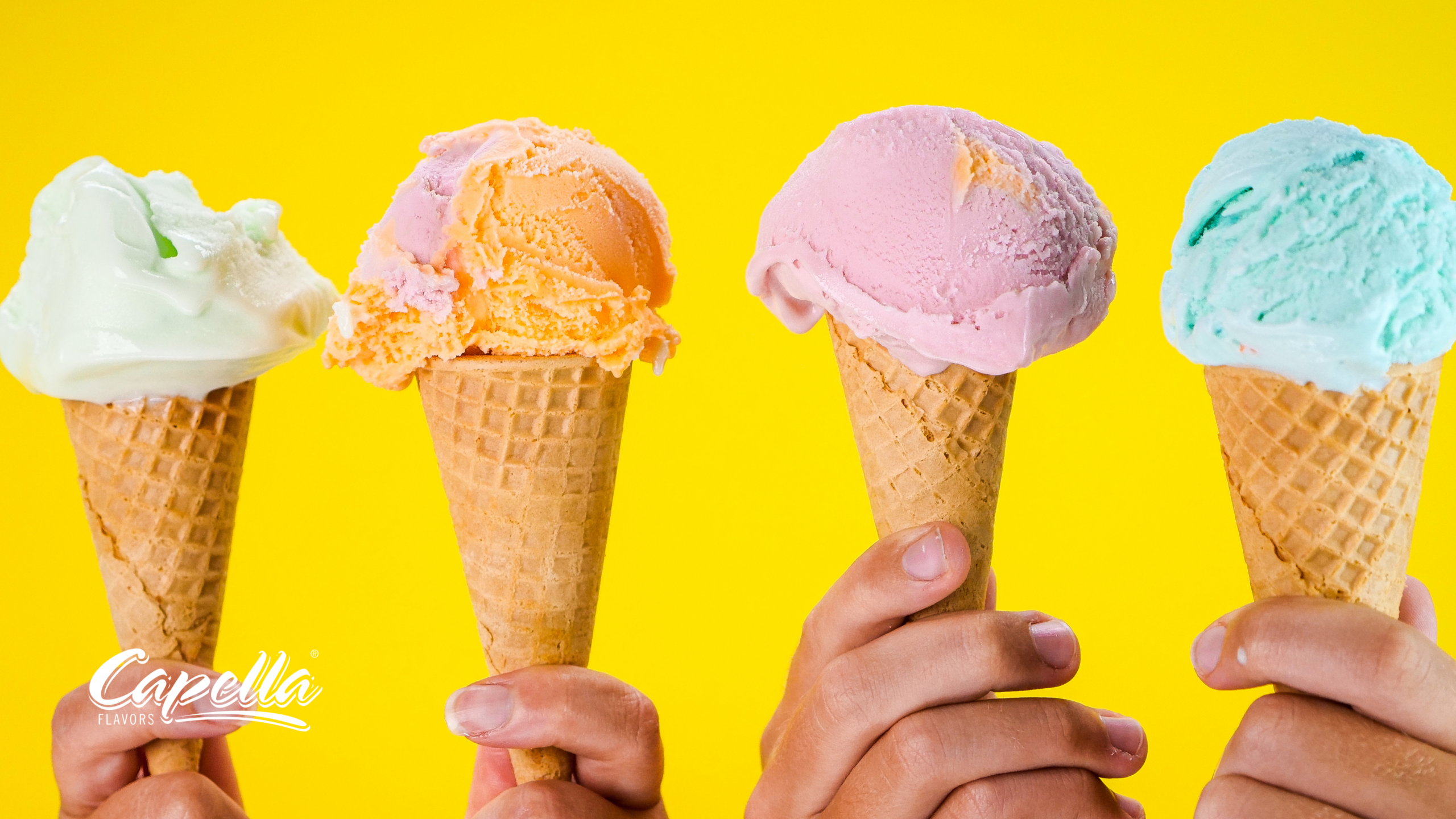
Examples include yogurt, flavored milk, puddings, ice cream, gelato, frozen yogurt, and other frozen desserts.
Temperature and the composition of the product base can influence flavor perception.
For frozen products, lower serving temperatures may affect how aroma and flavor intensity are experienced.
Testing in the final formulation is therefore important when selecting the appropriate flavor system.
How Flavor Classification Affects Food Labeling
Flavor classification is an important consideration for manufacturers preparing products for commercial distribution.
In the United States, FDA regulations establish requirements for declaring natural and artificial flavors on food labels.
Under 21 CFR 101.22, the appropriate declaration depends on the composition of the flavoring ingredients and how they are used in the finished food.
The regulations also address situations in which labeling or product presentation refers to a particular characterizing flavor.
For example, the labeling requirements for a fruit-flavored product may depend on whether the flavor is derived from the named fruit, whether other natural flavors are used, and whether artificial flavors contribute to the characterizing flavor.
Manufacturers should not assume that selecting a natural flavor automatically allows every type of natural-flavor claim.
Similarly, the absence of artificial flavoring substances does not automatically establish compliance with broader claims such as all natural.
Because labeling requirements can vary depending on the formulation and product presentation, regulatory review should be part of the development process.
Choosing Natural and Artificial Flavors for Product Development
Selecting between natural and artificial flavors requires consideration of the complete product concept.
Before choosing a flavor system, manufacturers and product developers should evaluate several factors.
What is the intended product application?
Beverages, bakery products, confectionery, dairy, and frozen desserts present different formulation requirements.
What flavor profile should the product deliver?
The objective may involve a familiar fruit flavor, a creamy dessert-inspired profile, or a more distinctive combination.
How will the product be processed?
Heat, freezing, acidity, mixing, and other conditions can influence flavor performance.
What labeling requirements apply?
Flavor classification and intended product claims should be reviewed according to applicable regulations.
What are the formulation and sourcing considerations?
Ingredient compatibility, supply availability, cost, and technical requirements can influence flavor selection.
How will the final product be evaluated?
Testing should consider the complete sensory experience rather than flavor intensity alone.
These questions can help manufacturers identify the most appropriate flavor options for further development.
Why Testing Matters When Selecting Flavor Ingredients
Choosing a natural or artificial flavor is only one stage of product development.
The selected flavor must also perform appropriately in the finished formulation.
Pilot testing allows manufacturers to evaluate how flavor interacts with other ingredients, processing conditions, sweetness, acidity, texture, and aroma.
Different usage levels can produce different sensory results.
A flavor that performs well in one formulation may require adjustments when used in another.
For example, a strawberry profile developed for a beverage may need a different approach when incorporated into a baked product, dairy dessert, or gummy.
Testing within the actual application helps manufacturers determine whether the flavor delivers the intended sensory experience.
Natural and Artificial Flavors in Food Innovation
Flavor innovation continues to create opportunities across the food industry.
Manufacturers are exploring new combinations, reformulating existing products, and developing concepts for different consumer preferences and market segments.
Natural and artificial flavor systems can each play a role in these development strategies, depending on regulatory requirements and formulation objectives.
For example, manufacturers may explore fruit-inspired profiles for beverages, dessert-inspired combinations for bakery products, or more complex flavor experiences in confectionery and frozen desserts.
The objective is to select a flavor system that supports the complete product concept.
Successful development requires consideration of flavor classification, ingredient interactions, sensory performance, labeling requirements, and the intended consumer experience.
Conclusion: Understanding Natural and Artificial Flavors
Understanding natural and artificial flavors is an important part of food and beverage product development.
Although both categories are used to create flavor experiences, their regulatory classifications depend on the origin and production of the flavoring substances.
For manufacturers, the choice involves more than selecting a flavor that tastes appealing.
Application requirements, processing conditions, ingredient compatibility, sourcing, labeling, and product positioning should all be considered.
Neither category automatically guarantees better sensory performance or overall product quality.
By evaluating flavor systems within the final formulation and considering applicable regulatory requirements, manufacturers can make more informed decisions when developing new food and beverage products.
Explore Flavor Solutions for Your Next Food Product
Developing a new food or beverage product and evaluating different flavor options?
Capella Flavors offers a broad selection of flavor concentrates for manufacturers and product developers exploring applications across beverages, bakery, confectionery, dairy, frozen desserts, and other food categories.
Whether your project involves fruit, citrus, creamy, dessert-inspired, or more complex flavor profiles, selecting the appropriate flavor system begins with understanding the application and formulation requirements.
Contact Capella Flavors to discuss flavor possibilities for your next product.