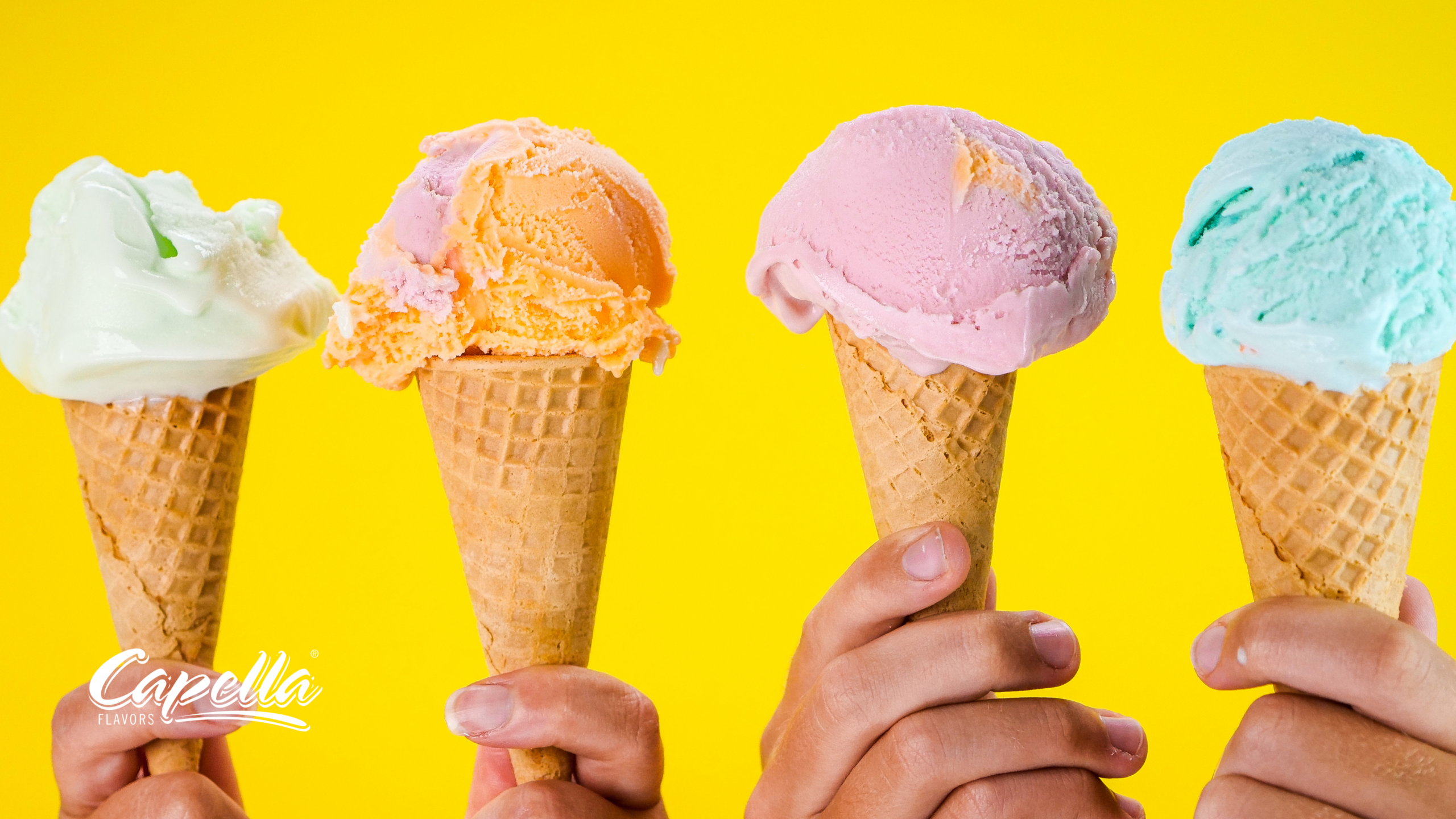
Creating a memorable ice cream or frozen dessert requires more than achieving the right level of sweetness and creaminess. Flavor is one of the most important aspects of the sensory experience, influencing how consumers perceive a product from the first bite to the last.
However, frozen applications can present unique formulation challenges. Low temperatures can affect the perception of flavor and aroma, while ingredients used to develop flavor can also introduce additional sugar, water, solids, or other components into the recipe.
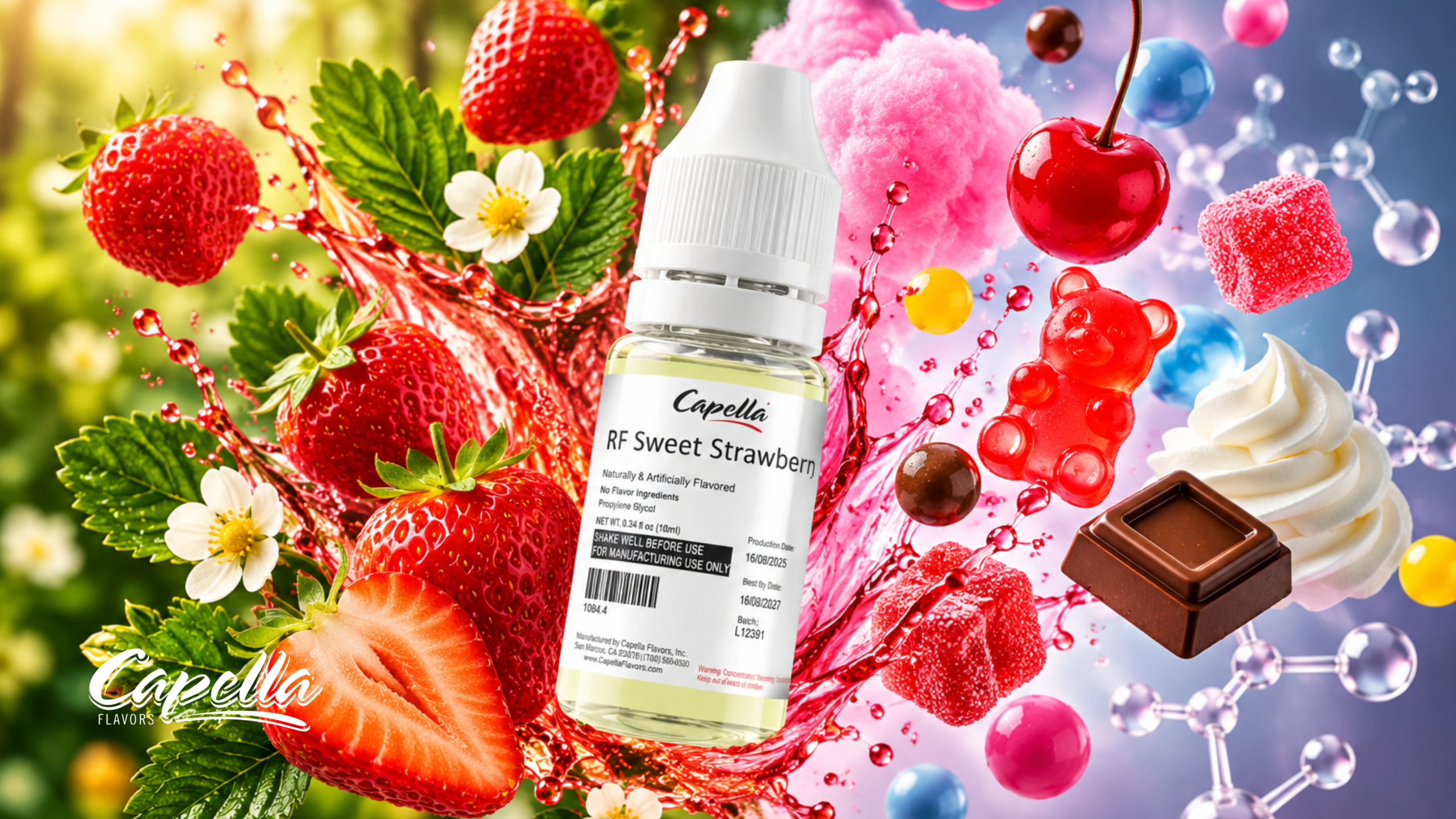
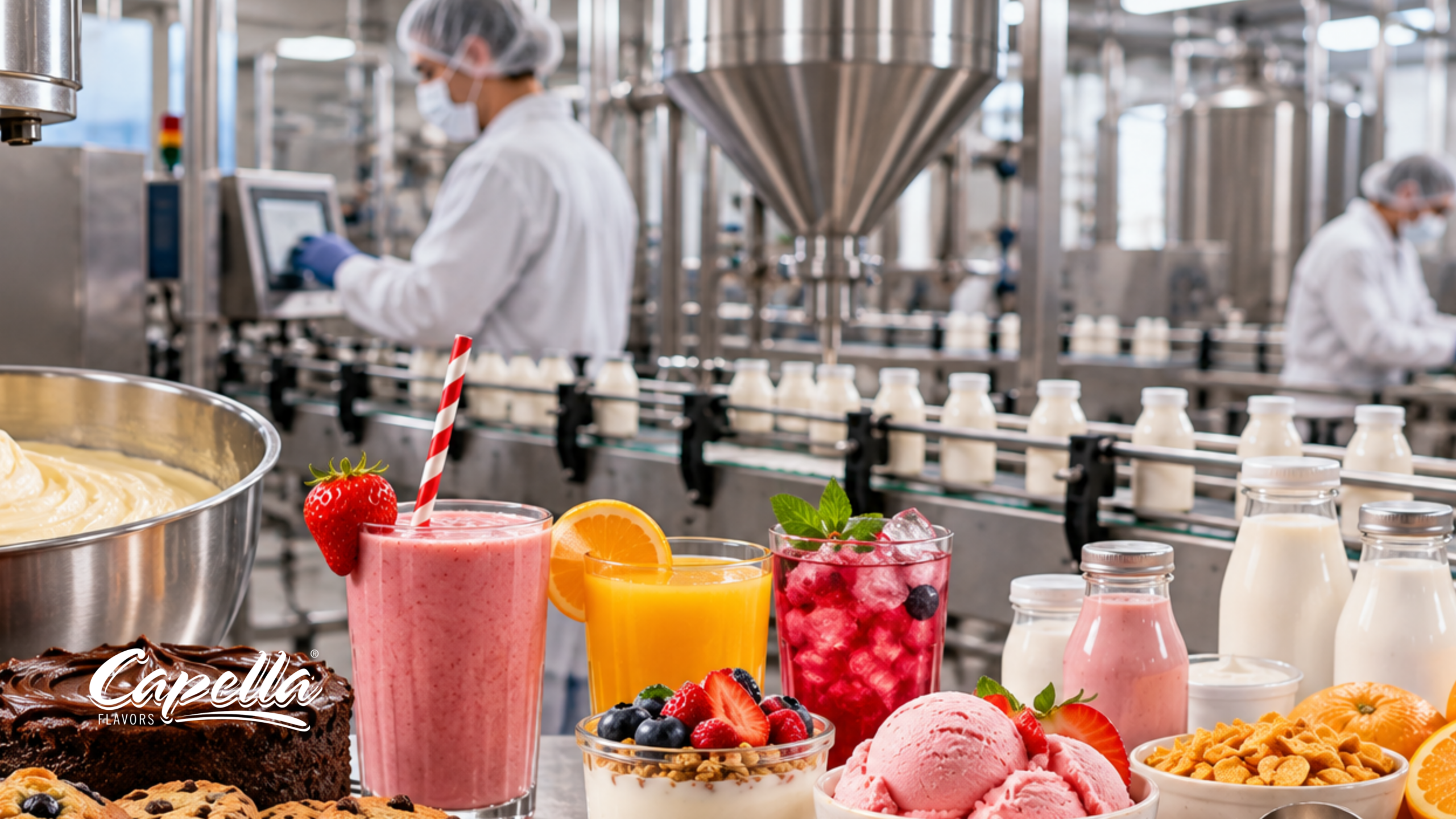
For manufacturers and product developers, food flavor concentrates offer a versatile way to develop distinctive flavor profiles while maintaining greater control over formulation. From classic vanilla and fruit flavors to indulgent dessert-inspired combinations, concentrates can expand the possibilities for ice cream, gelato, frozen yogurt, sorbet, popsicles, and other frozen applications.
Why Is Flavor So Important in Frozen Desserts?
Consumers experience frozen desserts through a combination of taste, aroma, texture, temperature, and appearance. Getting the flavor profile right is essential for creating a product that feels balanced and delivers the desired experience.
Temperature plays an especially important role.
Because ice cream and similar products are consumed frozen, their flavor and aroma may be perceived differently than they would be at room temperature. This makes flavor selection and testing an important part of frozen dessert formulation.
A successful recipe needs to balance flavor intensity with sweetness, creaminess, acidity, fat content, and the characteristics of the base itself.
The goal is not simply to make the product taste stronger. Instead, manufacturers need to develop a flavor profile that remains recognizable, balanced, and enjoyable throughout the entire tasting experience.
How Food Flavor Concentrates Can Improve Frozen Dessert Recipes
Food flavor concentrates provide concentrated flavor and aroma without requiring large amounts of flavoring ingredients in a formulation.
This can be particularly useful in frozen dessert development, where formulators often need to adjust flavor intensity while preserving the overall balance of the recipe.
Using concentrates allows product developers to experiment with flavors without relying exclusively on ingredients such as fruit, syrups, sauces, or other additions to create the desired profile.
They can also be used to complement ingredients already present in the formulation. A fruit-based frozen dessert, for example, may use a flavor concentrate to reinforce or refine the desired profile rather than relying entirely on the fruit itself for flavor.
This flexibility gives formulators another tool for developing products with a clear and recognizable flavor identity.
Creating More Consistent Flavor Profiles
Consistency is essential in commercial food production.
When consumers return to a product they enjoy, they expect the flavor experience to remain familiar from one purchase to the next.
Some traditional ingredients can naturally vary depending on factors such as seasonality, ripeness, origin, and storage conditions. Fruit ingredients, for example, may differ in sweetness, acidity, aroma, or overall flavor intensity from batch to batch.
Food flavor concentrates can help formulators create a more consistent flavor profile by providing a controlled source of flavor that can be tested and adjusted during product development.
For manufacturers producing frozen desserts at scale, this level of consistency can be especially valuable when developing recipes intended for repeated commercial production.
Expanding Flavor Possibilities for Ice Cream
Another advantage of using food flavor concentrates for ice cream is the opportunity to explore a much broader range of flavor concepts.
Classic flavors such as vanilla, strawberry, banana, chocolate, and caramel continue to have broad appeal, but manufacturers can also use concentrates to develop more complex or distinctive combinations.
Flavor profiles inspired by baked goods, beverages, fruit, creams, candies, puddings, and other desserts can provide inspiration for new frozen product concepts.
A creamy base, for example, can become the foundation for flavors inspired by vanilla custard, cake batter, cheesecake, caramel, or other indulgent desserts.
Fruit concentrates can also be combined to create mixed berry blends, tropical profiles, or more complex fruit-forward experiences.
Combining complementary flavors gives product developers the opportunity to create distinctive profiles rather than relying only on traditional single-flavor concepts.
This can support seasonal launches, limited editions, premium product lines, and new concepts developed around emerging consumer preferences.
Food Flavor Concentrates for Plant-Based Frozen Desserts
Frozen dessert innovation is no longer limited to traditional dairy-based ice cream.
Plant-based frozen products made with ingredients such as oat, almond, coconut, and other alternatives have created additional opportunities for manufacturers.
However, each base has its own flavor and sensory characteristics.
A coconut-based product, for example, may interact with added flavors differently than an oat- or dairy-based formulation. For this reason, flavor selection, usage levels, and testing are important when developing a balanced finished product.
Food flavor concentrates give formulators the flexibility to experiment with different profiles and adjust flavor according to the characteristics of the selected base.
This makes them useful for both traditional dairy formulations and innovative plant-based frozen dessert concepts.
Applications Beyond Traditional Ice Cream
The versatility of flavor concentrates means their potential applications extend far beyond a standard pint of ice cream.
Manufacturers and product developers can explore their use in:
- Ice cream
- Gelato
- Frozen yogurt
- Sorbet
- Popsicles
- Frozen bars
- Plant-based frozen desserts
- Frozen beverages and milkshakes
- High-protein frozen treats
- Reduced-sugar frozen dessert concepts
The same flavor concept can also be adapted across different applications, giving brands an opportunity to create recognizable flavor experiences across a broader product portfolio.
A signature flavor developed for an ice cream product, for example, could inspire a frozen beverage, popsicle, or another type of dessert.
Supporting Flavor Innovation in Frozen Dessert Development
The frozen dessert category offers brands considerable room for creativity.
Consumers may appreciate familiar flavors, but distinctive combinations and new sensory experiences can help products attract attention in a competitive market.
Food flavor concentrates provide formulators with a flexible ingredient for experimenting with new concepts.
Fruit flavors can be combined to create refreshing profiles. Creamy, confectionery, and dessert-inspired flavors can help build indulgent experiences. Familiar concepts can also be combined in new ways to create a distinctive and memorable flavor.
This versatility can help manufacturers respond to seasonal opportunities, explore new product concepts, and expand existing product lines without limiting development to a small selection of traditional profiles.
Testing remains an essential part of the process. The appropriate flavor and usage level will depend on the formulation, base ingredients, desired sensory profile, and final application.
How to Choose the Right Flavor Concentrate for a Frozen Application
There is no single flavor solution that will perform the same way in every frozen dessert.
When selecting a concentrate, product developers should consider the type of base, the other ingredients in the formulation, desired flavor intensity, sweetness, texture, and the experience the finished product is intended to deliver.
A flavor that performs well in a dairy ice cream base may require adjustments when used in a sorbet or plant-based frozen dessert.
This is why formulation testing is so important.
By evaluating different flavor profiles and combinations during development, manufacturers can determine how each concentrate interacts with the complete recipe and refine the product accordingly.
Conclusion: Better Frozen Desserts Start With Thoughtful Flavor Development
Successful frozen dessert formulation requires a careful balance of flavor, aroma, sweetness, texture, temperature, and the characteristics of the base.
Food flavor concentrates provide manufacturers and product developers with greater flexibility to create and refine flavor profiles across a wide variety of frozen applications. They can support consistency, encourage experimentation, complement other ingredients, and make it possible to explore everything from familiar favorites to more distinctive combinations.
As the frozen dessert category continues to evolve, flavor innovation can play an important role in creating products that stand out and deliver memorable sensory experiences.
Whether developing traditional ice cream, gelato, sorbet, frozen yogurt, popsicles, or plant-based alternatives, selecting the right flavor profile is essential for transforming an initial concept into a successful finished product.
Explore Food Flavor Concentrates With Capella Flavors
Capella Flavors offers a wide selection of flavor concentrates that can support manufacturers and product developers across a variety of food and beverage applications.
With more than 250 flavor concentrates available, product developers can explore fruit, dessert, confectionery, creamy, beverage-inspired, and many other profiles when creating frozen dessert concepts.
Whether you are developing a classic ice cream flavor or exploring an entirely new frozen application, Capella offers flavor possibilities designed to inspire creativity and product development.